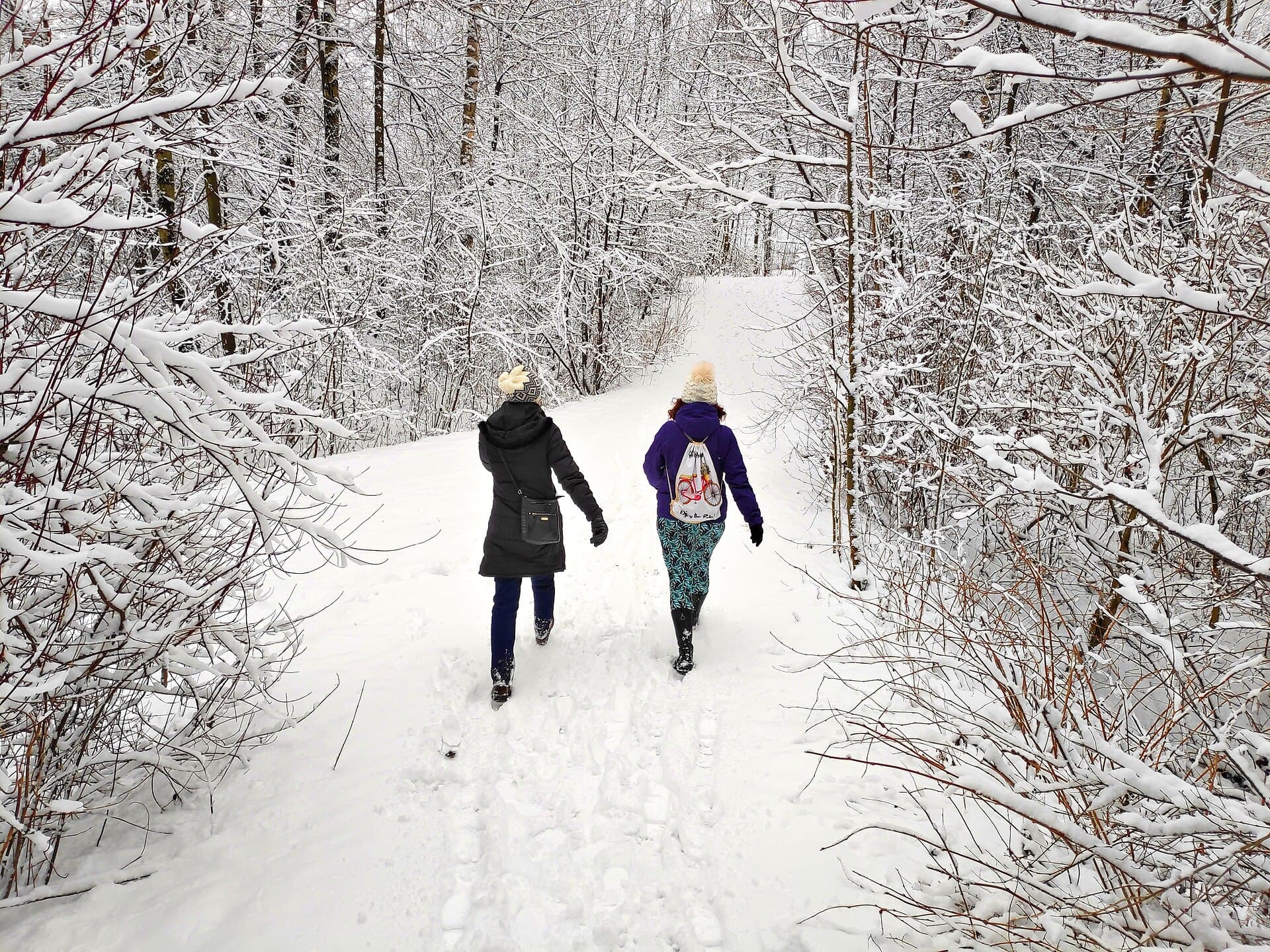
Photograph: Marek Ślusarczyk / Wikimedia Commons · CC BY 3.0. See image credits.

Winter energy in a southern climate
Hobart light, Melbourne grey, and the difference between a vitamin D story and a walk you will actually take at 8am.
James Whitaker · 9 May 2026 · 6 min read
June in Hobart can feel like the sun forgot your street. Melbourne trades sharp cold for long grey. Adelaide and Canberra add frost and early dark while Sydney and Perth get a milder version of the same story: leave work at 5.30 and the day has already left. Southern Australians learn to live indoors without noticing that vitality is a light story as much as a willpower story.
This essay sits in the vitality hub for anyone who feels flattened every winter and wonders whether they need a pill, a lamp, or a new attitude. It connects to the Australian circadian field guide for latitude and dinner time, the sleep hub for depth and heat, and Grounding gardens and time outdoors for the slow medicine of outside minutes even when the garden is bare.
Winter tiredness is rarely one thing
Seasonal mood change is real for some people—low mood, craving carbs, heavy sleepiness when days shrink. Seasonal affective disorder belongs in a clinical conversation, not a self-diagnosis from a quiz. Treatment may include light therapy, counselling, or medication; that is between you and a GP or psychiatrist.
For many others, winter tiredness is a stack: too little morning light, overheated bedrooms at night, alcohol up because evenings feel long, exercise dropped because it is dark, and a calendar that commutes in darkness both ways. Fix one layer and the stack wobbles; fix none and a vitamin D capsule will disappoint you.
Hobart light is not Melbourne grey. Your winter field notes should name your town before they name your supplement drawer.
Morning light before the vitamin D debate
Skin makes vitamin D when UVB reaches it. In deep southern winters, the angle of the sun and covered skin mean many people run lower than in summer. Supplements help selected people after testing—not everyone, not megadoses from an influencer, not a Facebook poll. Test and talk to a GP; latitude, skin tone, time indoors, and medical history all matter.
Morning outdoor light is the lever you can pull without a script. Overcast sky still delivers lux that indoor bulbs fake badly. Ten minutes at the letterbox, a walk to the tram without living under a hood, breakfast near a north-facing window if you have one—these advance and steady the circadian clock. The field guide explains why; this essay adds the seasonal push: schedule light like you schedule coffee.
Heating, sleep, and the cosy trap
Winter bedrooms often run hot—doona, heater, closed windows. Deep sleep likes a cooler body. You may sleep long hours and wake unrefreshed because the first cycles were light. Try lowering heat an hour before bed, airing the room when rain allows, and keeping the head cool even when feet are warm.
Electric blankets and hot showers split people: relaxing for some, overheating for others. Notice your pattern rather than copying a meme.
Alcohol rises in winter because evenings stretch. It knocks you out and steals depth from early sleep—the same pattern many blame on “winter blues”. See the sleep hub for the first half of the night; treat the wine o’clock habit as an energy line item, not a reward for surviving grey.
Movement when the park is dark
Exercise drops when paths are muddy and mornings are black. That drop shows up as lower daytime alertness and worse sleep pressure at night—the body never spent the day’s physical credit. You do not need a heroic 5am run. You need something repeatable:
- Lunch walk in whatever light exists.
- Indoor strength twice a week—bands, a gym, stairs at the office.
- Weekend daylight booked like an appointment: coast walk, botanic garden, kid sport you stand and watch outside rather than from the car.
Grounding gardens and time outdoors applies even when nothing is flowering. Pull weeds in rain gear. Five minutes of cold air on your face before you re-enter the heated box.
Food, carbs, and the long evening
Bodies crave carbohydrates when days are short—evolutionarily sensible, annoying for jeans. Winter vitality is not war on soup and bread. It is timing and balance: protein at lunch so the 3pm hunt for biscuits eases; a heavy late roast at 9pm when you slept badly anyway; vegetables when you can for the micronutrients real meals carry.
Late eating talks to the clock as well as the waist. Shift the heaviest meal earlier on work nights when sleep falters, or keep late dinners lighter. The circadian field guide covers the culture of Australian late dinners; winter amplifies the cost.
Social life and the hibernation instinct
It is tempting to cancel everything until September. Isolation drains energy like poor sleep. Keep one social anchor per week—a pub meal, a walking group, a church or community hall, a standing call with a friend. Low cost is fine; zero contact is expensive.
If mood drops beyond “I hate rain”—hopelessness, loss of interest, not caring for basics—treat that as medical, not meteorological. Winter SAD and clinical depression overlap; sorting them is a clinician’s job.
Light boxes and clinical tools
Some GPs and psychologists suggest morning light therapy for selected patients in southern states. Devices differ; timing and duration matter; eyes must be open; mania history matters. This is not a shopping list essay. Outdoor light remains first; boxes are a winter conversation when symptoms persist despite basics.
Commuting in the dark
In Melbourne and Hobart, winter workers often start and finish in darkness. The eye’s light budget for the year shrinks to lunch breaks and weekends. If that is your life, treat the lunch break as circadian medicine, not a luxury: eat outside when wind allows, walk the long way to the sandwich shop, sit by a window in the staff kitchen instead of the basement desk.
Carpark-to-office-to-carpark days stack with dry indoor heating—skin tight, throat dry, head dull by 3pm. Humidity in the bedroom helps some snorers; hydration through the day helps almost everyone. Pair water with the morning train platform minute even when it is cold; the cold is part of the wake signal your clock missed at sunrise.
Regional towns share the same latitude story with fewer street lights and longer drives. Pull over for sixty seconds of sky before you walk inside some nights. It looks silly until you notice Thursday feels less like wading.
Renters in draughty terraces face another winter layer: cold feet and hot heads—heaters blasting while air leaks under doors. Rugs, door snakes, and a blanket on the couch are energy tools too, not just décor. Warm enough to think, cool enough to sleep: that balance is harder in old housing stock, and worth naming when you wonder why winter steals more from you than from a friend in a new build.
A week you can repeat in July
Pick three anchors:
- Morning photons—outdoor minutes before noon, most days.
- Movement—something that loads muscle twice weekly, walks otherwise.
- Sleep temperature—cool enough to wake without a headache.
Add GP-guided vitamin D only if tests say so. Drop one wine night and notice Thursday. Open the Australian circadian field guide when daylight saving or latitude confuse you.
Southern winter energy is not about pretending June is Bondi. It is about honest light, honest sleep, and walks you will actually take at 8am—grey sky and all. Return to the vitality hub for age, work, and family stories. Protect depth in the sleep hub. And when the path through the bare forest is muddy, walk it anyway; the clock is listening.
Questions readers send the desk
- Should everyone in southern Australia take vitamin D?
- Test and talk to a GP. Latitude, skin, time indoors and medical history are not a Facebook poll.
- Is winter tiredness just SAD?
- Sometimes. Sometimes it is sleep, heating, alcohol and a calendar that never sees daylight.