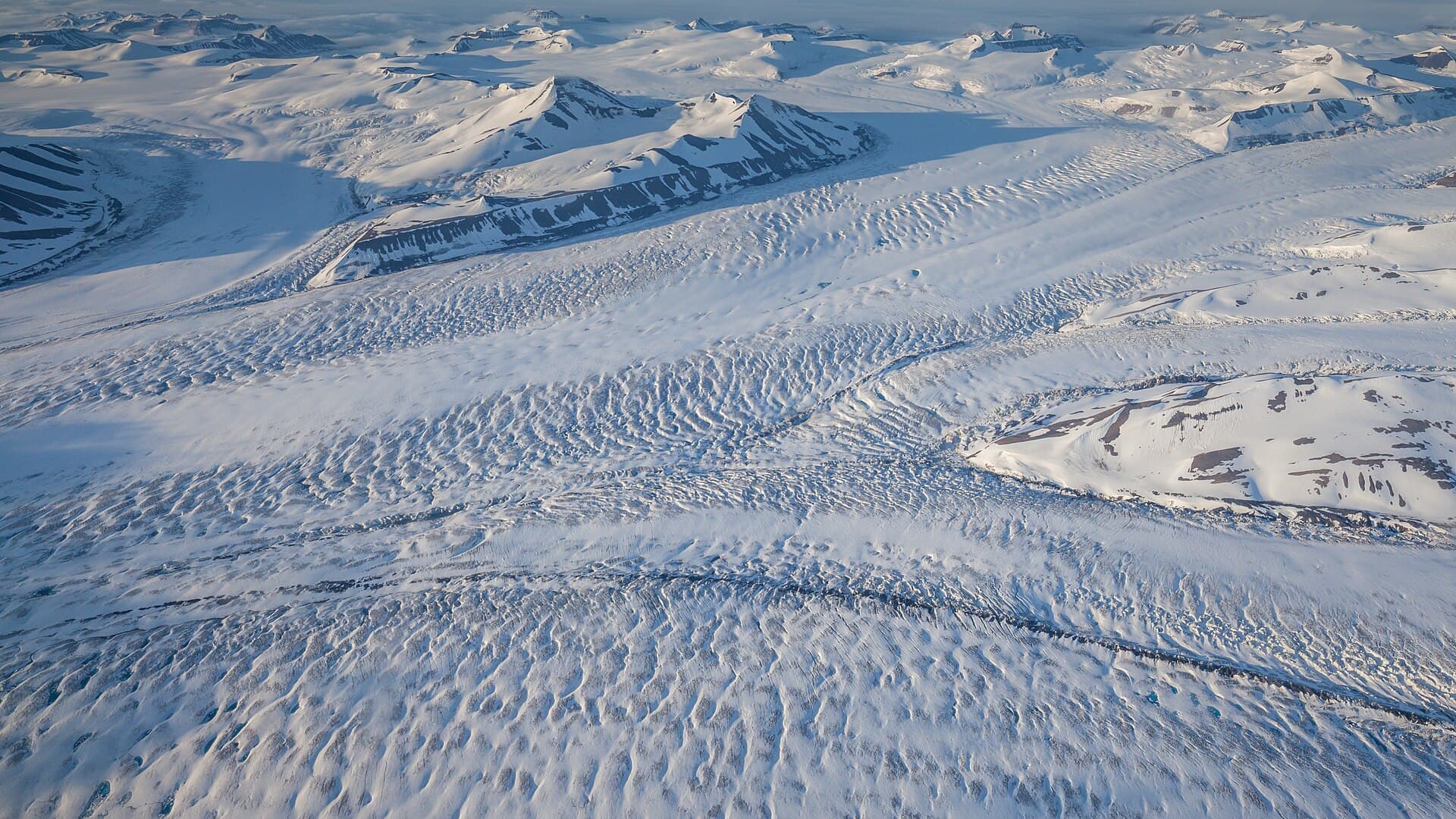
Photograph: AWeith / Wikimedia Commons · CC BY-SA 4.0. See image credits.

An Australian circadian field guide
Latitude, late dinners and a bright kitchen at 9pm all tell the body a story. Here is how light and clock work in this country.
Mara Ellison · 4 March 2026 · 6 min read
Your body keeps time with light, food, activity, and social cues—not with the clock on the microwave. In Australia, those cues disagree more often than we admit. A Hobart winter dusk at 4.30pm is not a Darwin dry-season evening still glowing at 7pm. Daylight saving in the south adds another layer: the calendar says one thing; the sun says another.
This field guide is for anyone who has ever felt “jet-lagged at home”: tired at the wrong hour, hungry late, wired at bedtime. It connects sleep to light, latitude, and the habits we normalise because everyone at the barbecue eats at 8pm.
The circadian clock in plain terms
Deep inside the brain, a master clock orchestrates sleep pressure, body temperature, hormone timing, and alertness across roughly twenty-four hours. It wants bright days and dark nights, with transitions that are gradual enough to follow.
Modern life offers the opposite: fluorescent offices at noon, LED kitchens at 9pm, and phones that deliver daylight at midnight. The clock does not break; it misaligns. You might sleep enough hours on paper while feeling permanently one time zone off.
Circadian rhythm is not a wellness buzzword. It is why night shift hurts, why teenagers skew late, and why a southern winter can flatten mood and energy if morning light never reaches your eyes.
Latitude: Darwin is not Hobart
Australia spans enough latitude that “Australian sleep advice” without geography is incomplete.
Northern cities—Darwin, Cairns, Townsville—have smaller seasonal swings in day length. Winter mornings still arrive with usable light; evenings stay warm and bright. The challenge is often heat and humidity at night, not darkness at 5pm. See Bedroom heat, humidity and the tropical sleep problem and the water hub for hydration in hot months.
Southern cities—Hobart, Melbourne, Adelaide—face long summer evenings and short winter days. In June, many workers commute in the dark both ways. The eye sees little morning photons; the clock drifts later; bedtime slides. Winter energy is a whole season of circadian negotiation: Winter energy in a southern climate.
The middle band—Sydney, Brisbane, Perth—mixes mild winters with bright evenings. Outdoor culture pushes dinner later; sport and daylight saving extend the “day” psychologically even when biology wants wind-down.
The country shares one map; it does not share one sunset. Your circadian field notes should name your latitude before they name your supplement drawer.
Daylight saving as a social experiment
Most Australians outside Queensland, Western Australia, and the Northern Territory spring forward and fall back. The debate is political; the body experience is personal. For a week or two after a change, sleep and appetite wobble. Some people adapt in days; others feel off for weeks.
Practical southern habits around the change:
- Anchor wake time loosely—avoid swinging from 6am to 9am between workdays and weekends.
- Prioritise outdoor light in the morning after the clocks move, even a ten-minute walk without sunglasses.
- Dim evenings deliberately the first week; your kitchen does not need stadium lighting to cook pasta.
The Bureau of Meteorology does not set your body clock, but checking sunrise and sunset times for your town beats guessing from memory.
Light: the main lever you actually control
Morning light advances and steadies the clock; evening light delays it. In Australian suburbs, the failure mode is usually too little morning, too much evening.
Morning. Open curtains on waking. Eat breakfast near a window. Walk to the bus stop without living under a hoodie brim. Office workers: a break outside beats a second indoor coffee for alertness before noon.
Evening. Warm-dim bulbs in living areas help. So does reducing overhead glare in the last hour before bed. Screens are not poison for everyone, but they are bright; lower brightness and hold the phone farther from your face if you must scroll.
Workplaces often ignore light entirely. Fluorescents flicker on at 8am and never change. If meetings and email decide your day, read Workplace energy, light and meetings—circadian health is not only a bedroom topic.
Light boxes? In deep southern winters, some clinicians suggest brief morning phototherapy for selected patients. That is a medical conversation, not a shopping list. Outdoor light remains the first tool.
Late eating and the “long evening” culture
Australian dinners drift late. After-work commutes in capital cities, children's sport at dusk, and social norms that treat 7pm as early all push food into the clock’s wind-down phase.
A large, spicy, or sugary meal close to bed raises core temperature and keeps digestion busy when the body wants cooling and quiet. Alcohol with dinner compounds the effect. This is not a command to eat at 5pm like a pensioner; it is an observation that timing is a circadian signal.
Try shifting the heaviest meal earlier when sleep falters, or keeping late nights lighter—salad and fish rather than a roast at 8.30pm. Consistency across weekdays matters more than perfection on one Tuesday.
Activity and temperature rhythms
Exercise generally helps sleep when it ends several hours before bed. A 9pm HIIT class in a heated studio can leave you wired; a morning swim or lunch walk aligns with the clock’s alertness peak.
Core body temperature falls before sleep. Hot showers right before bed split opinion—relaxing for some, overheating for others. In tropical bedrooms, a cool rinse and a fan may beat any app.
Social jet lag and the weekend lie-in
Sleeping in on Sunday feels like kindness; to the clock, it is a mini timezone hop. Monday’s alarm then bites harder. A compromise many families use: one extra hour, not three, and morning light on Sunday regardless.
Teenagers biologically skew later; school starts early. That mismatch is a national conversation about start times, not something a parent fixes with a lecture. Light in the morning and dim evenings still help within real constraints.
Indoor Australia: when the office never sees the sun
Millions of workers eat lunch at the desk and walk to the car through a carpark canyon. Their circadian input is artificial noon, artificial midnight. If that is you, treat outdoor breaks as non-negotiable infrastructure—ten minutes without earbuds, eyes open to sky even when overcast. Melbourne grey still delivers lux your desk lamp fakes badly.
Retail and hospitality finish after dark, eat late, sleep later. Students pull the same hours with screens added. The field guide is not asking you to quit your industry; it asks you to name the mismatch and trim one lever—light, food timing, or weekend anchor sleep—instead of accepting permanent jet lag as personality.
Putting the field guide to use
Name your latitude. Notice your light budget—morning in, evening out. Respect that dinner time talks to your liver and your clock, not just your hunger. When winter grey persists and mood drops, talk to a GP; circadian strain and seasonal mood overlap in ways that deserve proper care, not a branded lamp bought in panic.
Australia does not have one circadian problem. It has millions of small misalignments between sun, work, and kitchen. Fixing them is less about biohacking than about ordinary rituals: curtains, walks, dimmers, and a mealtime that leaves the body room to sleep.
Return to the sleep hub for depth, heat, and shift work; connect daytime vitality to night habits through vitality when you are ready to join the dots across the day.
Questions readers send the desk
- Does Australia have a circadian problem?
- We have a light problem and a dinner-time problem more than a mystical timezone curse. Darwin and Hobart are not the same night.
- Are light boxes useful in the south?
- Morning outdoor light is the first tool. A light box is a winter conversation with a clinician, not a gadget to buy at midnight.