Photograph: Ralff Nestor Nacor / Wikimedia Commons · CC BY-SA 4.0. See image credits.

Eating for energy after sixty
The original site said a sixty-year-old should still feel energised. Appetite, protein, teeth, company and the slow redesign of the evening meal.
Helen Cho · 13 May 2026 · 6 min read
The original Energy Field site made a quiet promise that offended nobody and satisfied nobody: a sixty-year-old should still feel energised. Not twenty-five on a pre-workout, not heroic at boot camp—energised enough to garden, walk the dog, play with grandchildren, volunteer, cook without sitting between every step. Food is not the whole story; sleep, movement, grief, and medication share the ledger. But appetite shifts after sixty in ways Australians rarely discuss at the barbecue, and under-fuelling is as common as over-fuelling once waistlines narrow without anyone cheering.
This essay belongs in the food hub beside Sixty and still energised on the vitality side, and Love the food you eat on pleasure without punishment. It is warm, practical Australian English—no crash diets, no supplement funnels.
Appetite changes: less hunger, same need
Many older adults report less appetite—smell and taste dull slightly, activity drops, loneliness empties the table. Stomach capacity feels smaller; big pub meals lose appeal. That can be healthy adaptation. It can also hide inadequate protein, missed micronutrients, and unplanned weight loss that GPs should weigh, literally and figuratively.
The trap: “I eat less now, so I need less care.” Often the opposite: less appetite but equal or higher protein need to maintain muscle when walking and stairs still matter. Muscle is retirement infrastructure—fall prevention, insulin sensitivity, dignity in a shirt you lift yourself.
Questions for an honest week:
- Did protein appear at least twice a day—eggs, fish, chicken, tofu, dairy, legumes?
- Did you skip meals because cooking felt heavy or because nobody else was eating?
- Did the scale or belt drift down without trying?
Unplanned weight loss is a clinical question, not a compliment. See your GP.
After sixty, energy often asks for regular, protein-rich meals—not a smaller life on toast alone.
Protein without bodybuilding culture
Protein talk alienates people who never entered a gym. After sixty, the biology is straightforward: spread protein across the day rather than loading dinner alone. An egg or yoghurt at breakfast, tuna or hummus at lunch, fish or lentils at dinner—patterns beat powders.
Australian staples that work on pensions and preferences:
- Tinned fish—salmon, sardines—with lemon on toast or salad.
- Eggs—soft for sensitive teeth; scrambled with spinach.
- Greek yoghurt—plain, with fruit if sweet helps.
- Frozen fish fillets and tofu for midweek simplicity.
- Canned lentils rinsed into soup or mince dishes.
Red meat is optional, not mandatory. Ultra-processed “protein bars” are optional too—real food first.
If chewing limits options, see the teeth section below; softness is not failure.
Teeth, dentures, and absorption
Dental pain makes apples enemy and soup friend. Unaddressed abscesses steal sleep and appetite. Dentures that slip embarrass people out of public lunches. Fixing pain belongs before any nutrition lecture.
While dentistry catches up:
- Cook vegetables until tender; roast until soft; blend soups without losing legumes.
- Mince meats or choose fish that flakes.
- Soak muesli or choose porridge over dry flakes.
Absorption ties in: see Absorption over appetite. You cannot use what you cannot chew. A GP or dentist link is part of eating well.
The big dinner problem—and the earlier friendly meal
Australian culture celebrates a large evening meal—roast, pasta, takeaway after a long day. After sixty, a heavy late dinner can steal sleep: reflux when lying flat, glucose still circulating, core temperature slow to drop. Morning energy pays the invoice.
Experiment gently:
- Shift weight earlier—main meal at lunch or high tea, lighter soup or salad at 7pm.
- Finish eating two to three hours before bed when reflux or wakefulness trouble you—not a rule for saints, a dial to turn.
- Keep flavour—garlic, herbs, olive oil—so the lighter meal still feels loved, not punitive.
The FAQ above names the trade: an earlier, friendlier meal often beats a heroic breakfast you never wanted. Sleep and food timing share a door; walk through both when nights are broken.
Company at the table
Loneliness suppresses appetite like illness. Widowed partners, empty nests, FIFO grandchildren on screens—eating alone shrinks variety. A toasted sandwich repeated is not laziness; it is grief with a plate.
Energy returns partly through company:
- One scheduled meal a week with friend, neighbour, community lunch—not charity rhetoric, social fact.
- Shared cooking—swap containers with a cousin, split a casserole.
- Eat at the table even solo: napkin, radio off, small dignity that signals “meal” to the gut.
Food culture after sixty is not only nutrients; it is who passes the salt.
Medications, taste, and the pharmacy conversation
Polypharmacy is common—blood pressure, cholesterol, diabetes, arthritis, mood. Some drugs dull taste or dry mouth; others affect B12, magnesium, or appetite directly. Do not strip medications because an essay said so. Do bring a medication review to the GP when meals shrink or weight drifts.
Alcohol often narrows with age—lower tolerance, sleep disruption, fall risk on stairs at night. A glass with dinner may cost more tomorrow than it did at forty. Honest, not moralising.
Hydration and heat in Australian summers
Older adults feel thirst less sharply; kidneys still need water. Dehydration mimics confusion and fatigue in hot suburbs and during heatwaves. Sips through the day, water with pills, soup and fruit as fluid—not only tea, which some drink to excess and skip food.
Connect to tropical and temperate summers alike; air-conditioning dries rooms. A glass before morning tea is cheap energy insurance.
In bushfire smoke seasons or heatwave warnings, appetite may dip further while fluid needs rise. Keep a jug where you sit; flavour with lemon if plain water bores you. Ice blocks and watermelon count toward fluid on days when chewing feels like work. If confusion or dizziness appear suddenly in the heat, that is urgent care—not a reason to “push through” with another cup of tea alone.
When not to “eat more”
Not everyone after sixty should push portions. Metabolic syndrome, heart failure with fluid limits, and kidney disease need individual plans from clinicians. “Eat for energy” is not “eat with abandon”. It is eat enough of the right things for your body’s work.
If oedema, breathlessness, or strict fluid caps apply, dietitians accredited with Dietitians Australia translate guidelines into meals you might love—not fear.
Redesigning the evening meal, slowly
Pick one change for a month, not five for a week:
- Protein at lunch twice a week, then most days.
- Lighter Thursday dinner if Friday gardening matters.
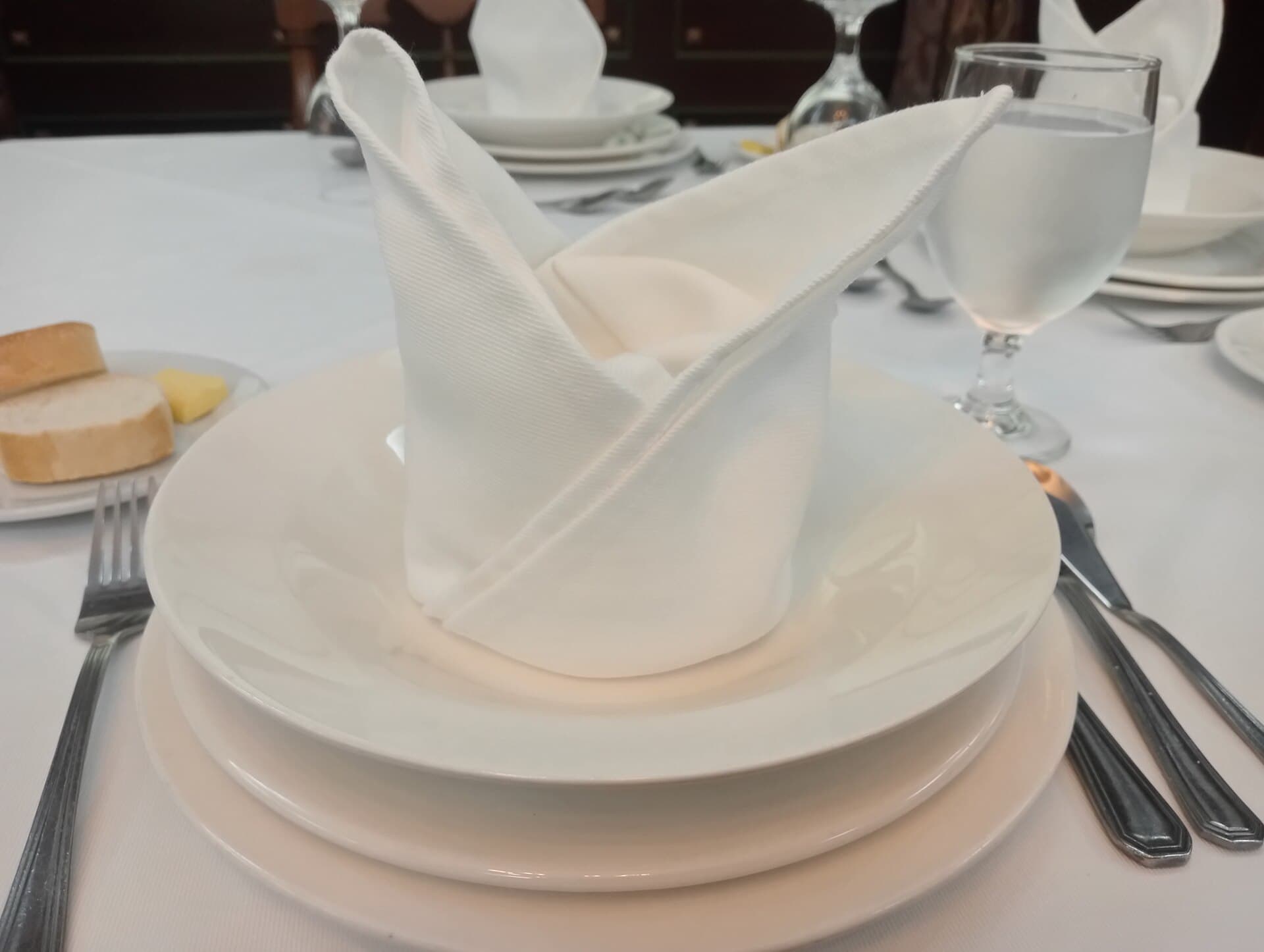
- Table set even for one; see the hero image of a napkin waiting— that is the mood.
- Dental appointment booked before another bottle of multivitamins.
Track energy as tasks done, not vibes alone: stairs without pause, washing hung, walk to the shop without turning back.
Still energised—not still twenty-five
The old site’s line about sixty and energy was never a boast. It was permission to expect a capable day when sleep, food, movement, and connection align. Appetite may be quieter; needs may be sharper. Teeth may ask for softer plates; company may matter more than recipes.
Love the food you eat enough to feed muscle, protect sleep, and sit with someone when you can. Vitality after sixty is still vitality—measured in grandchildren’s names remembered, paths walked, tables set.
If unplanned weight falls or meals become fear, talk to a GP. If meals are merely dull, talk to a friend and swap a soup. Energy Field was always about natural vitality—not less life after sixty, but a plate that still lets you live it.
Questions readers send the desk
- Do older people need less food?
- Many need more protein and more regular meals, not less care. Unplanned weight loss is a clinical question.
- Is a big dinner a problem?
- A heavy late dinner can steal sleep. An earlier, friendlier meal often gives more energy the next morning than a heroic breakfast.